High-ROI Retail Spaces in Dubai
Dubai has become a leading destination for commercial real estate investment, supported by population growth, tourism, business expansion and strong consumer demand.

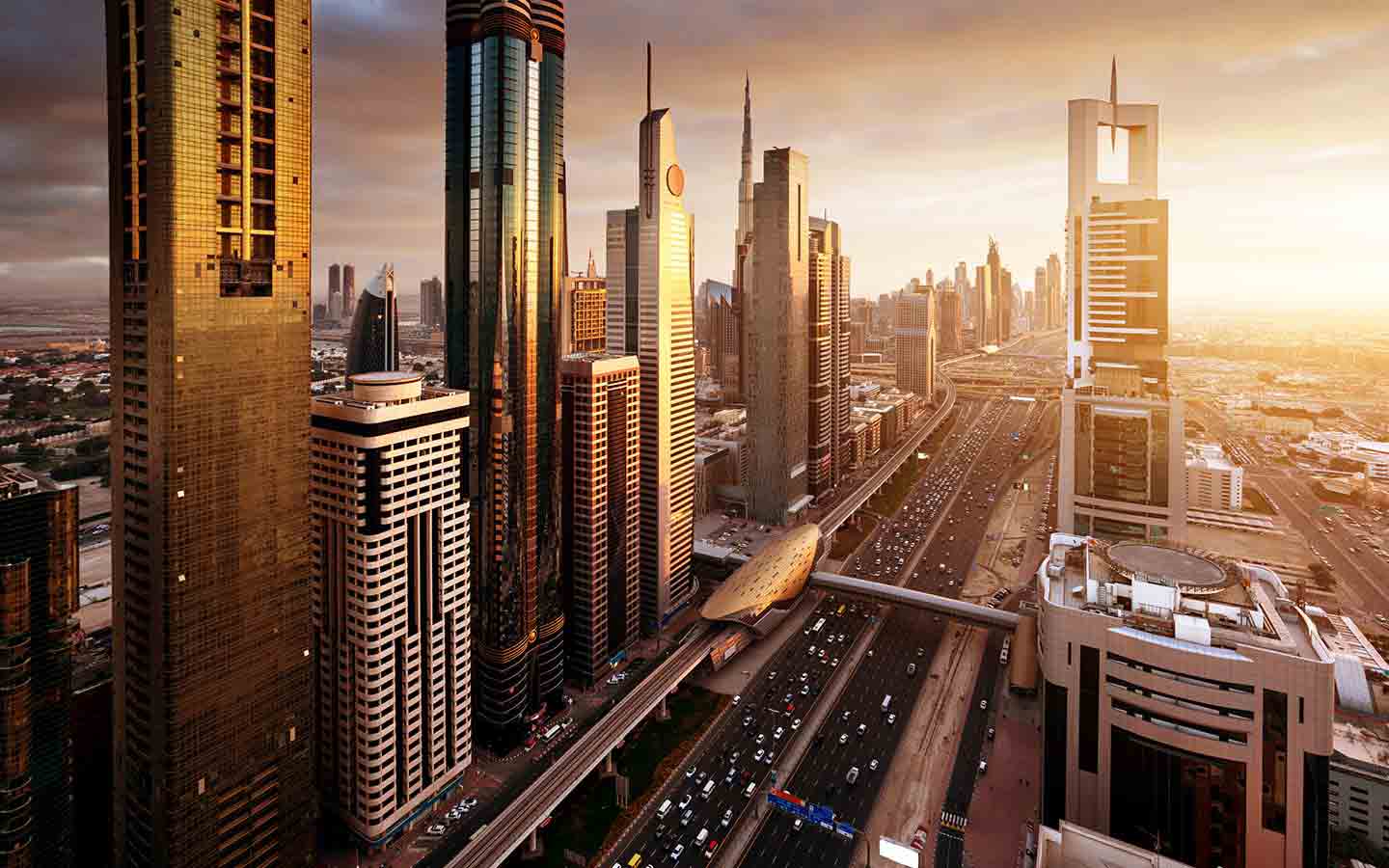
Dubai has become a leading destination for commercial real estate investment, supported by population growth, tourism, business expansion and strong consumer demand. Among the available opportunities, High-ROI Retail Spaces in Dubai attract investors seeking stable rental income, portfolio diversification and long-term capital growth.
Retail properties can serve residents, tourists, office workers and visitors. However, successful investment depends on choosing the right location, property layout, tenant category and surrounding community.
Why Invest in High-ROI Retail Spaces in Dubai?
Dubai’s expanding residential communities and commercial districts create continuous demand for shops, cafés, restaurants, pharmacies, supermarkets, clinics and lifestyle services.
Retail property investment offers several advantages:
Stable rental potential
Well-located retail units can attract reliable businesses looking for long-term leases, supporting consistent income for property owners.
Growing customer demand
New residential projects, tourism destinations and business hubs create opportunities for retailers that provide essential products and services.
Portfolio diversification
Commercial retail property allows investors to expand beyond apartments and villas while creating another source of rental income.
Capital appreciation
Retail units in developing communities may increase in value as infrastructure improves and the surrounding population grows.
What Makes a Retail Space High Performing?
Not every commercial unit can deliver strong returns. The best-performing retail properties usually offer visibility, accessibility, flexible layouts and steady customer movement.
Strong Footfall
Retail units near residential buildings, offices, hotels, schools, tourist attractions and public transport can benefit from regular customer activity.
Investors should consider both current and future footfall. A developing community may initially have limited activity but could become a strong retail destination once more residents move in.
Excellent Visibility
Main-road units, corner shops and properties with wide storefronts are often more attractive to tenants. Good visibility helps businesses gain customer attention and build brand awareness.
Easy Accessibility
Retail spaces should be easy to reach by car, public transport or on foot. Parking availability, clear entrances and delivery access can significantly influence tenant and customer interest.
Flexible Layout
The internal design should suit different types of businesses. Investors should review the unit’s floor plan, ceiling height, utility connections, storage area, signage space and ventilation facilities.
Popular Types of Retail Spaces in Dubai
Dubai offers several retail property categories suitable for different investment strategies.
Community Retail Units
Community retail spaces are located within residential developments and serve daily requirements. They are suitable for:
- Grocery stores and supermarkets
- Pharmacies and clinics
- Cafés and restaurants
- Salons and wellness centres
- Laundry and convenience services
These units can benefit from recurring demand because residents regularly use nearby services.
High-Street Retail Properties
High-street units are positioned along busy roads and commercial corridors. Their visibility can attract restaurants, boutiques, showrooms, electronics retailers and professional service providers.
Investors should examine traffic flow, pedestrian movement, signage opportunities and nearby competition before purchasing.
Mixed-Use Development Retail
Mixed-use projects combine residential, office, hotel and retail spaces. This creates a ready customer base consisting of residents, employees and visitors.
The success of these properties depends on overall project occupancy, management standards and the quality of the surrounding retail mix.
Destination Retail Units
Destination retail properties are located near tourist attractions, waterfront areas, promenades and leisure developments. They may suit restaurants, cafés, luxury boutiques and entertainment-focused businesses.
Factors to Consider Before Investing
Investors should evaluate the property carefully instead of making decisions based only on expected returns.
Important considerations include:
- Community occupancy: Study the number of people currently living or working in the area.
- Tenant demand: Identify which businesses are actively looking for retail space in the location.
- Competition: Too many similar outlets can reduce business performance and tenant demand.
- Property expenses: Service charges, maintenance and management costs can affect net returns.
- Lease conditions: Review rental escalation, fit-out periods, renewal clauses and tenant responsibilities.
- Development quality: Professionally maintained communities are more likely to attract established businesses.
Established Areas Versus Emerging Communities
Established communities offer existing customer activity, completed infrastructure and visible rental demand. Investors can study current business performance before purchasing a property.
Emerging communities may offer stronger long-term growth potential. As new homes, schools, transport links and leisure facilities are completed, demand for retail services can increase.
Established areas may suit investors seeking immediate rental opportunities, while developing locations may appeal to those focused on future capital appreciation.
Choosing the Right Retail Tenant
The quality of the tenant directly influences the performance of a retail investment. Experienced businesses with stable operations may provide more dependable rental income than new operators.
Before approving a tenant, investors should review:
- Business experience and reputation
- Financial reliability
- Customer demand for the business
- Lease duration
- Fit-out requirements
- Compatibility with the community
Essential-service businesses such as pharmacies, supermarkets, clinics and convenience stores may benefit from consistent local demand.
How Retail Properties Generate Returns
Retail properties generally generate returns through rental income and capital appreciation.
Rental performance depends on location, tenant demand, lease structure and property condition. Investors should calculate returns after considering maintenance costs, service charges and possible vacancy periods.
Capital appreciation may occur when the surrounding district develops, transport connections improve or the local population increases.
A property with a strong advertised rent may not always produce the best net return. Investors should evaluate all ownership costs before making a decision.
How to Reduce Investment Risk
Retail property investment requires careful planning. Investors can reduce risk by:
- Choosing locations with genuine population growth
- Selecting units suitable for different business categories
- Reviewing realistic rental evidence
- Studying existing and upcoming competition
- Checking legal and technical property documents
- Maintaining funds for maintenance or vacancy periods
- Working with experienced commercial property specialists
Flexible and accessible retail spaces are generally easier to lease because they can accommodate a wider range of businesses.
The Future of Retail Property in Dubai
Dubai’s retail market is becoming more focused on convenience, community services and customer experiences. Consumers increasingly prefer accessible shops, speciality dining, wellness centres and essential services located close to their homes and workplaces.
Walkable neighbourhoods and mixed-use developments are also creating demand for smaller, well-positioned commercial units. Smart technology, sustainable buildings and professional community management may further improve the appeal of modern retail properties.
Invest in Dubai Retail Property with 1000Estates
Investing in High-ROI Retail Spaces in Dubai requires a clear understanding of location quality, customer demand, tenant strength and future community growth.
At 1000Estates, investors can explore selected commercial properties across established and emerging areas of Dubai. Professional market guidance can help buyers compare locations, evaluate retail units and choose opportunities aligned with their investment objectives.
By focusing on visibility, accessibility, flexible layouts and sustainable tenant demand, investors can build a strong commercial property portfolio in Dubai.
Frequently Asked Questions
1. Are retail spaces in Dubai a good investment?
Yes. Well-located retail properties can offer stable rental income, long leases and capital appreciation potential.
2. What makes retail space high ROI in Dubai?
Strong footfall, visibility, parking, accessibility, tenant demand and a flexible layout are key factors.
3. Which retail spaces attract reliable tenants?
Units suitable for supermarkets, pharmacies, clinics, cafés, salons and convenience services often attract consistent demand.
4. Are emerging communities suitable for retail investment?
Yes. Emerging areas can offer long-term growth as residential occupancy, infrastructure and commercial activity increase.
5. How can investors reduce risk when buying retail property?
Investors should assess tenant demand, service charges, competition, community occupancy, lease terms and property condition before purchasing.
"If something on this page sparks a question — about a community, an asset, or simply how the market is moving — write to us. The desk reads everything."
Leave a note for the editor
Thoughts, corrections, or a question about the piece — we read every message.